Trending

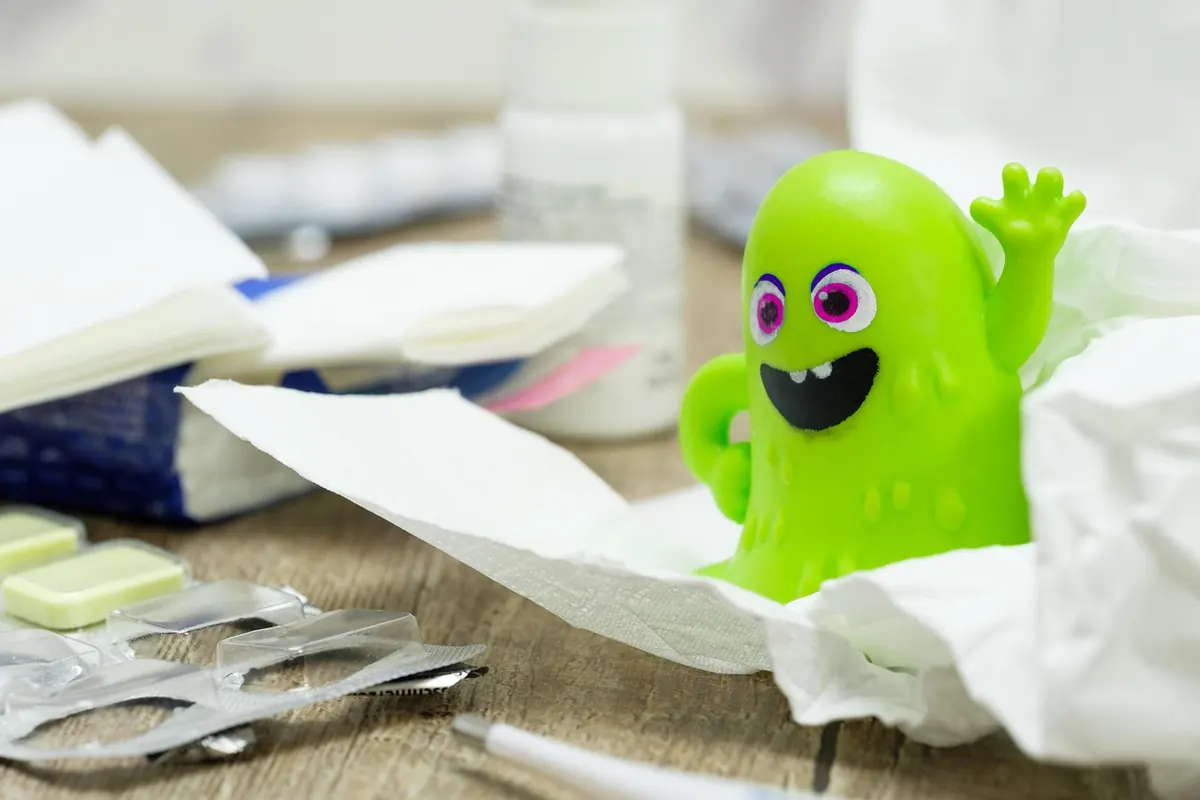
At 2 a.m., the last thing you want to do is stand in a cold bathroom hunting for a thermometer that actually turns on and a bottle of medicine with a label you can't read without your glasses. Every winter, the same scene plays out in most houses with small children: a runny nose on Tuesday becomes a fever by Friday and a household-wide cough by Sunday. You cannot prevent every virus. You can decide in advance that you will not be improvising at midnight. A sick-day kit is something you build once, restock twice a year, and thank yourself for later.
The single most useful decision is containment. Choose one clear plastic bin with a lid, a deep canvas tote, or a dedicated drawer in the hall closet. Everything lives there, all year, even in July. When a fever hits, you grab one thing and carry it to the couch.
Tape a printed sheet to the inside of the lid. Include the pediatrician's office number, the after-hours nurse line, the pharmacy, each child's most recent weight, known allergies, and a line about which over-the-counter medicines each child is allowed to take. Scribbling this down while a child cries in the background is exactly the kind of task you want already finished.
You do not need a pharmacy aisle. You need these, in working condition:
Double-dosing is one of the easiest mistakes to make in a tired house. One parent gives medicine at 8 p.m., the other gives it again at 10 because nobody remembers. Grandparents helping out may not know the last time it was given.
Keep a small notebook or a note on your phone inside the bin. Every entry gets four things: the time, the medicine, the amount, and who gave it. That's it. It takes ten seconds and prevents a genuinely bad night.
A few habits worth keeping: follow the package directions or your pediatrician's instructions for dosing, and dose by weight rather than age when you have a current weight. Do not give aspirin to a child or teenager who is sick. Do not wake a sleeping child just to hand them fever medicine if they are resting comfortably. Store everything out of reach, and check expiration dates each fall. This is general information, not medical advice; for anything specific to your child, ask your pediatrician or pharmacist.
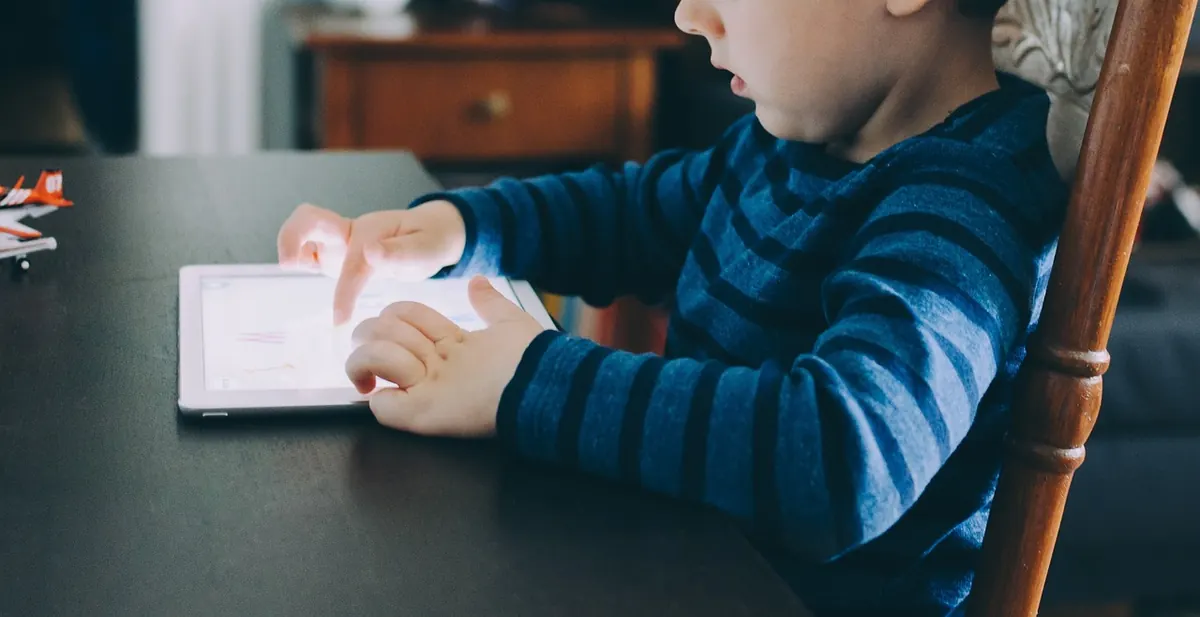
Comfort is not decoration. A child who settles faster sleeps longer, and so do you. Keep a small stash in the bin: a soft blanket, a nightlight for the hallway, a stuffie reserved for sick days, and a basket of three or four picture books that never get old. If your child uses screens when they're unwell, charge the tablet and headphones the night before anyone gets sick, and keep the charger in the bin. Layer blankets rather than piling on one heavy duvet, so you can adjust as a fever climbs and breaks.
A child with a sore throat and a stuffy nose often refuses a big glass of water. Stop offering big glasses. Offer small amounts often — a few sips every twenty or thirty minutes is easier to accept than one cup you have to argue about.
Things that tend to work: a colorful straw, a tiny cup, an ice pop, frozen fruit for older kids, warm broth in a mug, or water with a splash of juice. A spoonful of honey can soothe a cough for children over one year old; never give honey to a baby under twelve months. Watch for signs of dehydration — fewer wet diapers, no tears when crying, a dry mouth, unusual sleepiness — and call the pediatrician if you see them.
Trust your instinct here. You know your child's normal. Call if something feels off, even if you cannot name it.
Call the nurse line rather than searching online at midnight. That is what it is there for.
Put a reminder in your phone for early autumn. Open the bin, throw out anything expired, replace what you used, weigh the kids and update the sheet on the lid, and wash the humidifier. Ten minutes of work in October buys you a calmer January.
Then close the lid, slide it back onto the shelf, and go to bed. The kit is not a guarantee of an easy season. It just means that when the first fever arrives, you already know where everything is.
Photo: Bru-nO / Pixabay